


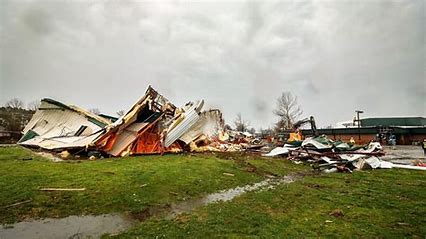
Violent Tornado Causes Damage Near Lake City, Arkansas
Introduction: A Day of Destruction in Arkansas
On April 2, 2025, the small town of Lake City, Arkansas, found itself in the direct path of one of the most violent tornadoes in recent memory. As part of a broader storm system that affected the central U.S., the tornado caused significant damage to homes, businesses, and infrastructure, leaving a trail of destruction and putting the entire region on high alert. The storm is a reminder of the unpredictable power of nature, and the subsequent damage has left local communities grappling with the aftermath. As recovery efforts begin, this article provides an in-depth look at the tornado’s impact, the emergency response, and the broader implications for the region.
Table of Contents
The Tornado’s Path and Strength
Formation and Intensity
The tornado that struck near Lake City was part of a larger outbreak of severe weather that swept across the central United States in early April. According to the National Weather Service (NWS), the tornado that hit Lake City was a powerful, multi-vortex EF-3, with winds reaching speeds of 136 mph to 165 mph. This classification places it among the stronger tornadoes capable of producing significant damage to well-built homes and infrastructure.
The tornado’s path was approximately one mile wide, cutting through parts of Lake City and surrounding areas, including nearby Monette and parts of Craighead County. The storm formed quickly, taking many by surprise despite warnings issued earlier in the day.
Impact on Lake City: Devastation and Destruction
Severe Structural Damage
The tornado’s violent winds caused widespread destruction in Lake City, with at least five homes completely destroyed. Many other homes and businesses sustained significant damage, leaving the town looking unrecognizable in some areas. In addition to residential damage, multiple buildings and structures were affected, including schools, churches, and local businesses. The storm also heavily damaged power lines, making it difficult for emergency crews to access affected areas in the immediate aftermath.
- Residential Destruction: Entire neighborhoods were flattened as the tornado’s high winds obliterated buildings in its path. Roofs were torn off homes, walls collapsed, and trees were uprooted, some of which fell on homes, vehicles, and power lines. Several residents reported being trapped in their homes after debris blocked the doors and windows, making escape impossible.
- Business Damage: Local businesses were severely impacted by the storm, with many storefronts and commercial properties sustaining heavy structural damage. A few businesses reported that the tornado not only caused physical damage but also disrupted operations, leaving them unable to open for days or even weeks.
Infrastructure Impact
One of the most significant effects of the tornado was on the region’s infrastructure. Numerous roads in Lake City and the surrounding areas were closed due to debris, and several highways, including State Highways 18 and 135, were impassable. The storm knocked out power to thousands of residents, with local utility crews scrambling to restore service. It is estimated that more than 40,000 people across Craighead County lost power during the storm, and the restoration process is expected to take several days.
Emergency Response: Mobilizing to Assist the Community
Search and Rescue Efforts
In the hours immediately following the storm, emergency crews and first responders launched a massive search and rescue operation to locate survivors and assess the damage. Local law enforcement, fire departments, and search teams from neighboring counties quickly mobilized to assist the affected areas.
- Rescue Operations: First responders focused their efforts on areas where residents were believed to be trapped. These teams worked tirelessly to free those who were unable to escape their homes due to fallen trees and debris. The Arkansas National Guard was also called in to assist with rescue and evacuation operations, using specialized equipment to reach hard-hit areas.
- Medical Assistance: Several hospitals in nearby Jonesboro and Memphis were prepared to receive victims of the storm. Emergency medical teams provided critical care to the injured, with at least 21 people reported to have been injured during the tornado. Fortunately, none of the injuries were reported as life-threatening, although some victims are still in critical condition.
Shelter and Relief Efforts
With many homes destroyed, local shelters were set up to house displaced residents. The Red Cross and other aid organizations were quick to provide food, water, and basic necessities to those affected by the tornado. Several evacuation centers were opened, and local churches and community groups stepped in to offer shelter to families whose homes had been damaged or destroyed.
- Community Support: Local residents banded together to support their neighbors, providing food, clothing, and emotional support to those who had lost everything. Community leaders have also called for volunteers to assist in cleanup efforts once the immediate search and rescue operations are completed.
Wider Storm Outbreak: Tornadoes Across the U.S. South and Midwest
A Broader Outbreak of Severe Weather
The Lake City tornado was part of a larger and more destructive weather outbreak that affected a wide swath of the United States. The outbreak spanned several states, including Arkansas, Missouri, Tennessee, Mississippi, and Kentucky. In total, the storm system produced at least 35 tornadoes across the central and southern U.S. in a span of 48 hours, causing fatalities, injuries, and extensive damage in multiple regions.
- Fatalities and Injuries: The broader storm system has claimed at least 12 lives across the affected areas, with dozens more injured. In addition to the damage caused by tornadoes, many areas have experienced severe flooding, adding to the difficulty of rescue operations.
- States of Emergency Declared: Arkansas Governor Sarah Huckabee Sanders declared a state of emergency in response to the widespread devastation caused by the tornado outbreak. States such as Missouri, Kentucky, and Tennessee also declared states of emergency to expedite federal assistance and provide resources for disaster relief.
National Weather Service Alerts and Forecasts
Warnings and Watches
The National Weather Service had issued multiple warnings for the regions impacted by the storms, but the severity of the tornado caught many off guard. In the hours leading up to the outbreak, NWS issued tornado watches for much of the region, warning of significant storms capable of producing strong tornadoes.
- Tornado Warnings: As the storms intensified, tornado warnings were issued for several counties in Arkansas, Missouri, and Tennessee. Meteorologists also predicted that heavy rainfall would accompany the storms, leading to additional flood risks in some areas.
- Flash Flood Risks: The NWS also issued flash flood warnings for parts of the South and Midwest, where heavy rain and the rapid rise of floodwaters posed a significant danger. Many rivers were already swollen from previous storms, and the additional rainfall created the potential for “generational” flooding in some regions.
The Impact of Climate Change on Severe Weather
The Role of Climate Change in Extreme Weather
The severity and frequency of the storms and tornadoes in Arkansas have raised concerns about the role of climate change in driving more extreme weather events. Meteorologists and climate experts have pointed out that warmer atmospheric temperatures are fueling more intense storms, particularly in areas prone to severe weather like the central U.S.
- More Frequent Tornadoes: Research suggests that climate change may be contributing to the increasing frequency of tornado outbreaks. Warmer air holds more moisture, which can result in the formation of more powerful storms capable of generating stronger tornadoes.
- Intensifying Flooding: Rising global temperatures also contribute to more intense rainfall events, which increase the risk of flash floods and river flooding. The flooding seen in parts of Arkansas and other states in the aftermath of the tornado outbreak is consistent with trends of increasing rainfall and flooding in many parts of the world.
Looking Ahead: Recovery and Preparedness for Future Events
Rebuilding and Recovery Efforts
As recovery efforts begin, the focus will be on rebuilding damaged homes, restoring power, and ensuring the safety of displaced residents. Local authorities and state agencies are coordinating efforts to clear debris, repair infrastructure, and provide financial aid to those who have lost their homes. The community of Lake City, while devastated, is showing resilience, with local leaders and citizens stepping up to help each other.
Preparing for the Future
The events in Lake City serve as a stark reminder of the importance of disaster preparedness, especially in regions prone to severe weather. Moving forward, Arkansas and surrounding states will need to invest in stronger infrastructure, improved early warning systems, and better community education to mitigate the impact of future storms. Climate change will continue to play a major role in the increasing intensity of extreme weather, and efforts to combat it should be prioritized alongside efforts to rebuild and protect communities in the wake of these disasters.
Conclusion: A Community in Recovery
The violent tornado that struck Lake City, Arkansas, is just one of many recent extreme weather events that are reshaping the landscape of the U.S. Tornadoes, flooding, and other natural disasters have become more frequent and severe, testing the resilience of communities across the nation. However, the people of Lake City, Arkansas, have shown extraordinary courage and determination in the face of tragedy. As they begin the difficult process of rebuilding, they will undoubtedly find strength in their shared commitment to their town and each other.


