


Table of Contents
Intro
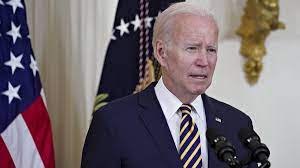
So, the COVID-19 pandemic totally changed the way we all work, especially for those folks in the government. With everyone talking about getting back to “normal,” the Biden administration is trying to figure out how to make remote work and in-office work play nice together. This essay’s gonna dive into the messy middle ground of that decision, and what it means for the people working for Uncle Sam and the public they serve.
The Big Change to Remote Work
Back in early 2020, when COVID hit, it was like a switch flipped and suddenly everyone in the government was working from home. It was crazy how fast it happened! And for a lot of people, it worked out pretty well. They liked the extra time not commuting and the flexibility to juggle work and life stuff. But, of course, not everything went smoothly. Some jobs just can’t be done from the couch, and everyone had to get used to Zoom real quick. Plus, some people worried about everyone being so spread out—what about team spirit and helping each other out?
What Biden’s Team is Saying
So, Biden’s people looked at this and said, “Okay, we need to find a happy medium.” They sent a note to the bosses of all the government offices telling them to think about what’s best for everyone—keeping people safe, making sure work gets done, and keeping everyone happy. This isn’t just about sticking to the old ways or going full-on remote, it’s about finding what works best for each department.
Balancing Being Productive and Keeping Workers Happy
One of the big things they’re thinking about is whether people can keep getting stuff done from home without burning out. Studies show that sometimes we get more done when we’re not in the office, but we also need to see our coworkers and take breaks. So, they’re pushing for a mix of remote and in-office work, kind of like a work-from-home buffet. This way, agencies can keep the good stuff from the pandemic work style, like productivity, while also making sure people aren’t feeling lonely or overworked.
And let’s not forget about the people who work for the government—they want to be happy too! By giving them options, the government can keep their employees from jumping ship to other jobs that offer more flexibility. It’s like trying to find the perfect blend of home-cooked meals and takeout, you know?
What It Means for the Public
But it’s not just about the workers—it’s about the people who need help from the government too. Some offices, like the ones that hand out passports or help vets, really need to be in person. So, the Biden administration wants to make sure everyone gets the help they need without waiting forever because someone’s Zoom isn’t working.
They’re telling agencies to really think about what jobs need face-to-face time and which ones can stay remote. This way, they can keep giving good service without leaving anyone behind, especially folks who might not have great internet or need extra help with tech.
What’s Next for Government Remote Work
This whole thing is kind of a test run for the future of work, not just in government but everywhere. They’re gonna keep trying different things, seeing what sticks, and making sure everyone’s on the same page. It’s like a giant game of workplace Tetris, trying to fit all the pieces together.
But it’s not gonna be easy. They’ve got to make sure people have the right tools, like good tech and support, and keep everyone happy and motivated. And let’s not forget, they need to figure out if all this remote work is actually working for the public.
Wrapping It Up
So, the Biden administration’s plan is all about finding that sweet spot between remote and in-office work. It’s gonna take some trial and error, but if they get it right, it could make the government a better place to work and keep services top-notch. Plus, it might even give other companies some ideas on how to handle the new work world we’re all living in.
But there are still some hurdles to jump. They’ve got to keep everyone happy, make sure the tech is up to snuff, and figure out how to


