


Modi
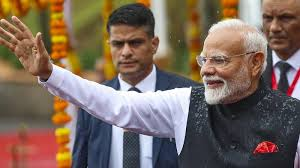
PM Modi Greets People on Parsi New Year Navroz
Parsi New Year, also known as Navroz, is an ancient and vibrant celebration observed by the Parsi community, which traces its roots to Persia (modern-day Iran). It marks the beginning of the Iranian calendar year and is a time for renewal, joy, and gratitude. In 2025, Prime Minister Narendra Modi extended his heartfelt wishes to the Parsi community across India and around the world on the occasion of Navroz. His message not only celebrated the cultural heritage and traditions of the Parsi community but also highlighted their contribution to the progress of the nation.
The Significance of Navroz for the Parsi Community
Navroz, which translates to “new day” in Persian, has been celebrated for over a thousand years. It falls on the first day of the month of Farvardin, which corresponds to around March 21st in the Gregorian calendar, coinciding with the Spring Equinox. This is the moment when day and night are equal, symbolizing balance and harmony, and is an apt metaphor for the values that the Parsi community upholds.
For the Parsi community, Navroz is not just the start of a new year; it is also a time to renew their connection to their faith, culture, and traditions. It is celebrated with grandeur, marked by prayers, family gatherings, delicious feasts, and various cultural events. The celebration also signifies the community’s resilience, continuity, and their ability to adapt while keeping their traditions alive in a rapidly changing world.
The community follows the Zoroastrian religion, one of the world’s oldest monotheistic religions, and Navroz has its roots in Zoroastrian practices. It is a time for Parsi families to come together, wear new clothes, clean their homes, and prepare special meals like “Patra and Mutton”, “Berry Pulav”, and “Sev Pulao”—all symbolic of fresh starts, prosperity, and abundance.
Prime Minister Modi’s Greetings
On the occasion of Navroz, Prime Minister Narendra Modi’s message reflected the deep respect he holds for the Parsi community and the invaluable contributions they have made to India’s growth and development.
In his greeting, PM Modi expressed his warm wishes to all Parsis, both in India and abroad, and spoke about the importance of Navroz in fostering unity, peace, and progress. His message was rich in symbolism, recognizing the enduring strength and values of the Parsi community, which has not only preserved its heritage over centuries but has also contributed significantly to India’s cultural, social, and economic landscape.
Unity in Diversity
India is a land of diverse cultures and communities, and Navroz is a perfect reflection of the country’s pluralistic society. PM Modi’s greetings often emphasize the unity of India’s diverse communities, and on this occasion, he highlighted how festivals like Navroz play a role in uniting people from various backgrounds. The Parsi community, despite being a small minority in India, has always been a beacon of harmony and progress, contributing to the nation’s growth in every sector, from business and education to healthcare and science.
In his message, PM Modi acknowledged the Parsi community’s role in fostering national unity and communal harmony. He noted that the celebration of Navroz brings together people from all walks of life and strengthens the spirit of togetherness. Through their cultural celebrations, Parsis have demonstrated the importance of mutual respect and peaceful coexistence—values that are especially important in today’s world.
Cultural Heritage and Contributions
A significant part of Modi’s message emphasized the Parsi community’s rich cultural heritage and its continued relevance in modern India. The Parsis, with their Persian roots, brought with them a rich tradition of art, literature, and spirituality, and their influence continues to shine in contemporary Indian society.
The Prime Minister highlighted the various fields where the Parsi community has made exceptional contributions, from the thriving industrial enterprises of Tata Group to the world-renowned educational institutions founded by Parsis. He expressed his appreciation for the community’s spirit of entrepreneurship and innovation, noting how their efforts have played a crucial role in shaping India’s industrial and economic landscape. The Parsi community’s philanthropic endeavors, particularly their support for education, healthcare, and social welfare, were also lauded in PM Modi’s message.
Moreover, PM Modi spoke about the Parsis’ significant contributions to the world of literature, music, cinema, and theater, underscoring how they have enriched India’s cultural fabric. The legacy of Parsi theatre, the flourishing of cinema with stalwarts like Dinyar Contractor and Boman Irani, and the active participation of Parsis in the arts are all a testament to their creative prowess and commitment to preserving their cultural identity.
A Call for a Bright Future
PM Modi’s greeting also carried a hopeful message for the future. He encouraged the Parsi community to continue upholding their values of integrity, compassion, and resilience. In a world that faces numerous challenges, from environmental degradation to social inequality, the Prime Minister urged the Parsi community to stay committed to the values of peace, love, and kindness. These values, he noted, have not only helped the community thrive for centuries but have also contributed to the well-being of the nation as a whole.
Navroz Celebrations Across India
Navroz is celebrated with much fervor in the Parsi colonies across India, particularly in cities like Mumbai, Pune, and Surat, where large Parsi populations reside. The day starts with a visit to the Agiary, the Parsi fire temple, for prayers and rituals. Families come together to perform the Jashan ceremony, offering prayers for a prosperous and healthy year ahead. The traditional Parsi greeting “Navroz Mubarak” is exchanged among family members, friends, and neighbors.
In Mumbai, which houses one of the largest Parsi populations in the world, the celebration of Navroz is a major event. Parsi-owned businesses often close on this day, and the community takes part in communal prayers, followed by feasts that feature traditional Parsi dishes. The Parsi New Year Parade in Mumbai’s Breach Candy area, featuring people dressed in colorful clothes, is one of the highlights of the celebration.
The Parsi New Year is not only celebrated in the homes of Parsis but also in the hearts of all Indians, who join in the festivities to express their admiration for the community’s rich culture and heritage. In schools and colleges with a Parsi presence, cultural programs are organized, and the history of the community is taught to foster understanding and respect for their contributions.
PM Modi’s Support for the Parsi Community
Over the years, PM Modi has been a staunch supporter of India’s diverse communities. His government has taken steps to protect and preserve the cultural heritage of smaller, minority communities, including the Parsis. PM Modi has recognized that the Parsi community, despite being a small minority, is a vital part of India’s history, culture, and future.
Under Modi’s leadership, there have been initiatives to improve the living conditions of Parsis, especially in areas like Parsi cemeteries, heritage sites, and community centers. The government’s commitment to ensuring the welfare of the Parsi community was further demonstrated with the allocation of funds for the restoration of Parsi monuments, temples, and other cultural landmarks.
Conclusion
Prime Minister Modi’s greetings on the occasion of Parsi New Year, Navroz, exemplify the deep respect and admiration he holds for the Parsi community. His message of unity, progress, and cultural preservation resonates with the values that are so intrinsic to the Parsi community’s identity. As the Parsi community celebrates the new year with joy, gratitude, and hope, PM Modi’s words serve as a reminder of their invaluable contributions to India and the enduring strength of cultural diversity.
Navroz is not just a celebration of the Parsi community’s rich heritage; it is a reminder to all Indians of the importance of upholding the values of peace, love, and mutual respect that bind the country together. It is a celebration of life, renewal, and a bright future ahead—principles that are as relevant today as they were centuries ago.


