


medical test

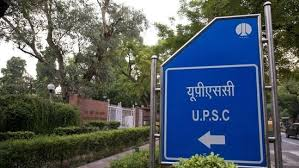
Supreme Court Orders Fresh Medical Test for UPSC Candidate Discarded on Grounds of Obesity
In a significant legal development, the Supreme Court of India has directed the Union Public Service Commission (UPSC) to conduct a fresh medical examination for a candidate who was disqualified in 2014 due to obesity. This ruling underscores the court’s commitment to ensuring fair and just processes in the recruitment of civil servants, highlighting issues of discrimination and procedural fairness.
Background of the Case
The case revolves around a candidate who had participated in the prestigious Civil Services Examination conducted by the UPSC. In 2014, the candidate was disqualified during the medical examination stage on the grounds of obesity. This disqualification led to the candidate’s exclusion from the recruitment process, effectively barring them from pursuing a career in the civil services.
The candidate challenged the decision, arguing that the disqualification was unjust and not in line with the standards applied by the UPSC. They claimed that the obesity criterion was unfairly stringent and did not adequately consider their overall health or functional capabilities.
Legal Proceedings
Following the disqualification, the candidate approached the courts to contest the UPSC’s decision. The legal battle centered on whether the medical standards applied by the UPSC were fair and whether the candidate was given a reasonable opportunity to demonstrate their suitability for the position.
The case was heard in various lower courts before eventually reaching the Supreme Court. The Supreme Court’s involvement was crucial, as it aimed to address broader concerns about procedural fairness and non-discriminatory practices in public recruitment processes.
Table of Contents
Supreme Court Ruling
The Supreme Court’s ruling to order a fresh medical test represents a landmark decision in this case. The court’s directive is grounded in the principle that recruitment processes should be fair and equitable, allowing candidates to prove their suitability based on a comprehensive assessment rather than a singular criterion.
The ruling emphasized that while medical standards are necessary to ensure candidates meet the physical demands of the role, these standards must be applied in a manner that is just and reasonable. The court recognized that obesity alone should not be a disqualifying factor without considering other aspects of a candidate’s health and overall fitness.
Implications of the Ruling
For the UPSC
- Reassessment of Medical Standards: The UPSC will need to revisit and potentially revise its medical standards to ensure they align with the principles of fairness and non-discrimination. This may involve a more nuanced approach to evaluating candidates’ health, taking into account various factors beyond just obesity.
- Transparency and Fairness: The ruling underscores the need for transparency in the recruitment process. The UPSC will be expected to provide clear guidelines and justifications for its medical standards to prevent future disputes and ensure candidates are judged fairly.
For Candidates
- Opportunity for Redressal: The ruling provides a precedent for candidates who feel aggrieved by similar disqualifications. It reinforces the right of candidates to challenge decisions they believe to be unfair and seek redress through legal means.
- Focus on Comprehensive Evaluation: Candidates may benefit from a recruitment process that considers a broader range of health factors rather than relying solely on obesity. This shift could lead to a more inclusive approach to evaluating candidates’ fitness for public service roles.
Broader Impact
Legal and Ethical Considerations
The Supreme Court’s decision highlights the ethical responsibility of recruitment bodies to ensure that their criteria do not unfairly discriminate against individuals. It reflects a growing recognition of the need to balance health and fitness standards with fairness and inclusivity.
Recruitment Policies
The case may prompt other recruitment bodies to review their medical and physical fitness criteria to ensure they are equitable. This could lead to broader reforms in how public service recruitment is conducted, with a greater emphasis on holistic assessments of candidates’ capabilities.
Conclusion
The Supreme Court’s order for a fresh medical test for the UPSC candidate dismissed in 2014 on grounds of obesity represents a significant step towards ensuring fairness and justice in the recruitment process. By challenging the UPSC’s decision, the candidate has not only sought personal redress but has also contributed to a broader discourse on the need for equitable and inclusive recruitment practices.
The ruling serves as a reminder of the importance of applying recruitment standards in a manner that respects candidates’ rights and ensures that decisions are made based on comprehensive and just evaluations. As the UPSC prepares to conduct the fresh medical test, the case stands as a testament to the ongoing efforts to uphold fairness and integrity in public service recruitment.


