


Table of Contents
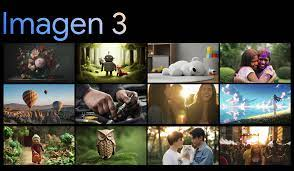
Google has recently unveiled Imagen 3, its latest iteration in the AI image generation model series, marking a significant advancement in the field of generative artificial intelligence. Imagen 3 builds upon the strengths of its predecessors and introduces a host of new features and capabilities that push the boundaries of what is possible in AI-driven image creation.
The Evolution of Imagen
To fully appreciate the impact of Imagen 3, it is crucial to understand the evolution of the Imagen series. The original Imagen model was introduced as a powerful AI tool designed to generate high-quality, photorealistic images from textual descriptions. Its second version, Imagen 2, improved upon this foundation by enhancing image resolution and detail, making the model even more versatile and accurate in rendering complex scenes.
Imagen 3 represents a major leap forward from these earlier versions. It incorporates advancements in both the underlying architecture and the training methodologies used to develop the model. These improvements are aimed at addressing some of the limitations of previous versions and expanding the range of applications for which Imagen can be used.
Enhanced Image Quality and Detail
One of the most notable upgrades in Imagen 3 is the significant enhancement in image quality and detail. The model now produces even more photorealistic images with finer textures, richer colors, and more accurate representations of complex scenes. This improvement is largely due to advancements in the model’s architecture, which allows for better capture of intricate details and subtle nuances in the generated images.
The increased resolution and clarity are particularly beneficial for applications that require high-quality visual content, such as advertising, media production, and virtual reality. By offering more detailed and realistic images, Imagen 3 enables users to create visually stunning content that can captivate audiences and enhance user experiences.
Advanced Understanding of Context and Nuance
Imagen 3 also boasts an improved understanding of context and nuance in textual descriptions. The model’s enhanced natural language processing capabilities allow it to better interpret and generate images based on complex and nuanced prompts. This means that users can now provide more detailed and specific instructions to the model, and Imagen 3 will be able to translate these instructions into images with greater accuracy.
This advancement opens up new possibilities for creative professionals who require highly customized and contextually accurate visuals. For example, designers and artists can now experiment with more intricate and imaginative concepts, knowing that the model can faithfully render their visions into high-quality images.
Integration of Interactive Features
Another significant development in Imagen 3 is the integration of interactive features that allow users to refine and customize the generated images in real-time. This feature includes tools for adjusting various aspects of the image, such as color balance, lighting, and composition, directly within the AI interface. These interactive capabilities provide users with greater control over the final output and enable them to make iterative adjustments based on their preferences.
This interactive approach not only enhances the user experience but also streamlines the creative process. Instead of generating multiple versions of an image and selecting the best one, users can now fine-tune a single generated image to meet their specific needs. This efficiency is particularly valuable in fast-paced environments where time and precision are crucial.
Improved Efficiency and Speed
Efficiency and speed are critical factors in AI image generation, and Imagen 3 delivers notable improvements in these areas. The model has been optimized to generate high-quality images more quickly, reducing the time required for each generation process. This is achieved through advancements in computational techniques and model optimization strategies that streamline the image generation pipeline.
For businesses and individuals who rely on rapid production of visual content, this improvement translates into faster turnaround times and the ability to produce more images in a shorter period. This efficiency is especially important for industries such as e-commerce, where timely updates and fresh content are essential for maintaining competitive advantage.
Ethical Considerations and Content Moderation
As with any advanced AI technology, Imagen 3 raises important ethical considerations and challenges related to content moderation and misuse. Google has implemented a range of measures to address these concerns, including sophisticated content filtering mechanisms and guidelines for responsible use.
These measures are essential for mitigating the risks associated with powerful generative AI models and ensuring that the technology is used responsibly. Google continues to work on refining these safeguards and addressing emerging ethical challenges as the technology evolves.
Expanding Applications and Use Cases
The advancements in Imagen 3 unlock new possibilities for a wide range of applications and use cases. In the creative industries, the model offers enhanced tools for artists, designers, and content creators to explore new visual styles and concepts. The ability to generate highly detailed and contextually accurate images opens up opportunities for innovative design projects and artistic expressions.
Conclusion
Google’s release of Imagen 3 represents a significant milestone in the field of AI image generation. With its enhanced image quality, advanced contextual understanding, interactive features, and improved efficiency, the model offers a powerful tool for a wide range of creative and professional applications. As the technology continues to evolve, it will undoubtedly play a crucial role in shaping the future of visual content creation and driving innovation across various industries.
While the advancements in Imagen 3 offer exciting possibilities, it is important to approach the technology with an awareness of the ethical considerations and potential challenges. Responsible use and ongoing refinement of content moderation mechanisms will be key to ensuring that the benefits of Imagen 3 are realized while mitigating potential risks.
Overall, Imagen 3 is poised to make a significant impact on the way we create and interact with visual content, setting a new standard for AI-driven image generation and opening up new avenues for creativity and innovation.


