


Fed leaves
Table of Contents
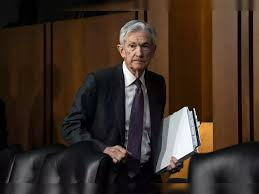
The Federal Reserve recently made headlines by leaving its policy interest rate unchanged amid signs of a projected growth slowdown in the U.S. economy. This decision comes at a time when inflationary pressures have been showing temporary upticks, adding complexity to the Fed’s decision-making process. By holding steady, the central bank is signaling its commitment to navigating these evolving economic dynamics while considering long-term objectives of price stability and sustainable economic growth.
Context of the Fed’s Decision
The U.S. economy has been on a roller coaster ride in recent months, with a variety of economic indicators suggesting that growth is slowing. After the historic economic rebound following the pandemic-induced recession, there have been increasing concerns about the sustainability of this recovery. Factors such as supply chain disruptions, geopolitical tensions, labor market imbalances, and a tightening global financial environment have all contributed to slower economic expansion.
Despite these challenges, the Fed is also faced with persistent inflationary pressures that have disrupted the economy’s normal functioning. As the Fed’s dual mandate requires both maximum employment and price stability, it must tread carefully between these two goals. The inflation rate, though lower than its peak in 2022, still hovers above the Fed’s target of 2%, posing challenges to policymakers who are striving for economic equilibrium.
The Fed’s decision to leave the policy rate unchanged reflects the delicate balancing act it faces between fostering growth and addressing inflation. This is compounded by the fact that inflation has been exhibiting temporary surges in specific sectors, even as broader economic activity weakens. For instance, energy prices have seen spikes due to global market fluctuations, and certain supply bottlenecks continue to drive up prices for goods in short supply.
Projected Economic Growth Slowdown
In recent months, various economic forecasts and reports have indicated a slowdown in the U.S. economy. The rapid pace of growth seen in the aftermath of the pandemic has begun to slow down, with GDP growth rates dropping from the peak levels experienced in 2021. The deceleration has been attributed to multiple factors, including a reduction in government stimulus, rising interest rates, and global uncertainty impacting trade and investment decisions.
One of the most important factors contributing to the projected growth slowdown is the global economic environment. As central banks worldwide have started tightening monetary policy to combat inflation, tighter financial conditions are affecting international trade and investment. The U.S. is not immune to these external pressures, and reduced demand for American exports and disruptions in global supply chains are expected to weigh on economic growth.
Additionally, the housing market has cooled as higher interest rates have made mortgages less affordable for many potential homebuyers. This has a ripple effect on other sectors of the economy, including construction and consumer spending, as wealth tied to real estate depreciates or grows at a slower rate.
The slowdown in business investment is also noteworthy. In an environment of higher borrowing costs and greater uncertainty, businesses may be hesitant to undertake new capital projects or expand operations. While some sectors continue to see investment and innovation, overall business sentiment has cooled, with companies adjusting their expectations in response to shifting economic conditions.
Temporary Inflation Jump and Its Impact
Although inflation has been gradually falling from its peak in mid-2022, recent data show a temporary jump in consumer prices. These price increases have been particularly noticeable in sectors such as energy and food. Global energy prices have been volatile, with oil prices fluctuating due to supply disruptions and geopolitical tensions. Similarly, food prices have been impacted by ongoing supply chain disruptions and adverse weather events in key agricultural regions.
The Federal Reserve must consider the nature of this inflationary spike. Economists argue that much of the recent inflation is driven by transitory factors, meaning that it may not persist once these supply-side issues are resolved. In particular, energy prices, which are notoriously volatile, are expected to stabilize once production and supply chains are restored to pre-crisis levels.
Despite these temporary fluctuations, the Fed is aware of the risk that inflation expectations could become unanchored if persistent price increases lead consumers and businesses to expect higher inflation in the future. Such expectations could drive wage-price spirals, where workers demand higher wages to keep up with rising costs, and businesses pass those higher labor costs on to consumers in the form of higher prices. This cycle could lead to more entrenched inflation, which would force the Fed to take more aggressive action, such as further interest rate hikes.
The Fed’s Approach: Treading Carefully
The Fed’s decision to leave interest rates unchanged reflects its careful approach to addressing these divergent forces of inflation and growth. Raising rates too quickly could risk tipping the economy into a recession, exacerbating the slowdown and potentially hurting the job market. On the other hand, failing to act to contain inflation could lead to longer-term economic instability and undermine the Fed’s credibility in managing inflation.
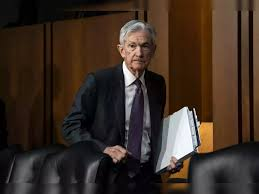
Federal Reserve Chairman Jerome Powell and other officials have consistently emphasized their commitment to achieving a balance in policy actions, making clear that their decisions will be data-dependent. This means that future rate hikes will depend on whether inflation persists at elevated levels or if the growth slowdown deepens significantly. At the same time, the Fed has indicated that it will remain vigilant, monitoring economic data to determine if further tightening is necessary.
It’s important to note that the Fed’s decision-making process is influenced by multiple economic indicators, including employment levels, wage growth, consumer sentiment, and corporate investment. While there are concerns about the economy’s ability to continue growing at a strong pace, the Fed remains focused on its broader mandate to ensure that inflation remains under control, without sacrificing the recovery that has taken place over the past few years.
The Future of Fed Policy
Looking ahead, the path of monetary policy will be shaped by several critical factors. If inflation continues to rise in specific sectors, the Fed may need to take more aggressive action, raising interest rates to contain price pressures. However, should the economic slowdown become more pronounced, and if inflation expectations stabilize, the Fed may reconsider its approach, potentially lowering rates to support growth.
As part of its toolkit, the Fed also has the ability to adjust the pace of asset purchases, a tool that was used extensively during the pandemic to inject liquidity into the financial system. While this has been less of a focus in recent months, the ongoing risks to economic stability could prompt the Fed to revisit these options if it sees the need to provide additional support.
Conclusion
The Federal Reserve’s decision to leave its policy rate unchanged amid a projected economic slowdown and temporary inflationary pressures is indicative of the complex balancing act the central bank faces. On one hand, there is a need to maintain economic growth, which is slowing, but on the other, inflation remains a significant concern, even if it’s driven by temporary factors. The Fed’s cautious stance suggests a commitment to navigating these challenges carefully, with the understanding that policy must be flexible and responsive to evolving economic conditions. As the Fed continues to monitor data, its actions in the coming months will be critical in shaping the economic landscape, striking a delicate balance between growth and price stability.


