


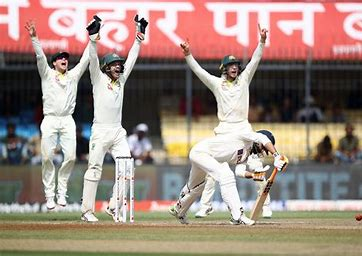
Batters Could Have Applied Themselves Better: Muzumdar Reflects on India’s Loss to Australia
In the aftermath of India’s crushing defeat to Australia in a key One Day International (ODI), batting coach and former cricketer Amol Muzumdar made a somber yet pointed reflection on the team’s performance. Despite the team’s considerable talent and experience, India’s batting lineup faltered under pressure, collapsing in a heap to a modest total, far below the expectations placed upon them. As Australia clinically dominated with both bat and ball, the Indian team’s inability to apply themselves in difficult conditions became the focal point of discussions in the post-match analysis. Muzumdar’s comments, while tactful, left little room for misinterpretation – the batters, he said, could have applied themselves better.
The Context of the Loss
India’s defeat to Australia was not only one of the worst performances in recent memory but also one that came at a crucial juncture in India’s preparation for upcoming international tournaments. Having recently seen success on home soil, the expectations were high for India to challenge Australia in this series. However, the result was a stark reminder of how quickly a match can slip away due to the inability of batters to adapt to challenging conditions.
The Australian bowlers, led by the experienced Megan Schutt and the sharp Jess Jonassen, dominated the Indian batting lineup from the get-go, and India’s response was disjointed and poorly executed. This loss has left Indian fans and cricket pundits questioning the team’s ability to perform under pressure, and Muzumdar’s post-match comments echoed these concerns.
The Batting Collapse: An Analysis
India, after winning the toss, opted to bat first, a decision that seemed solid on paper, with the pitch offering enough assistance for the batters to get set. However, from the very first over, it was clear that Australia’s bowlers were prepared to exploit the conditions. Shafali Verma, India’s explosive opener, was dismissed early, and soon after, the experienced Smriti Mandhana fell as well. These early setbacks placed immense pressure on the middle order.
As the batting lineup collapsed like a house of cards, India’s hopes of putting together a competitive total dwindled. However, what was most disheartening was the way the Indian batters approached their dismissals. Too many players fell to poor shot selection, a lack of application, and a failure to adapt to the changing conditions. The stark contrast in approach between the two teams was evident, as Australia’s bowlers stuck to their game plan with disciplined lines and lengths, while India’s batters seemed uncertain, tentative, and often flustered.
It was clear that India’s inability to apply themselves during their innings was a significant contributing factor to the collapse. With no meaningful partnerships forming, the pressure continued to mount, and India’s batting line-up eventually crumbled to a meager total of just 100 runs.
Muzumdar’s Critique: What Went Wrong for the Batters?
In his post-match analysis, Amol Muzumdar, who has been instrumental in guiding India’s batters, was blunt but constructive in his assessment. The crux of his criticism was aimed at the lack of application from the Indian batters, especially in the context of the challenging pitch conditions. Muzumdar pointed out that the batters’ inability to take responsibility, absorb pressure, and adapt their approach was a key reason for the defeat.
1. Lack of Application in Critical Moments
Muzumdar stressed that in a game of ODI cricket, particularly in challenging conditions, it is essential for batters to apply themselves and stay patient. “The key to surviving and scoring on such a pitch is to stay focused, absorb pressure, and then look to score when the opportunities arise,” Muzumdar said. He further emphasized the importance of playing a long innings, especially when the team is in a vulnerable position. Unfortunately, India’s batters, including Shafali Verma and Smriti Mandhana, seemed eager to score quickly rather than building a solid foundation for the team. The pressure built up too soon, leading to rushed shots and early dismissals.
2. Poor Shot Selection
One of the most noticeable issues in India’s batting display was poor shot selection. Muzumdar explained that many of the dismissals, including those of key players like Mandhana and Harmanpreet Kaur, could have been avoided had the batters exercised more caution. While the Australian bowlers were consistently maintaining tight lines, India’s approach seemed too adventurous, with players opting for aggressive shots without assessing the conditions properly. This led to unnecessary risks and the loss of crucial wickets.
“We were in a position where consolidation was more important than taking risks. Batters need to learn how to build partnerships, especially when the team is under pressure,” Muzumdar added. The reckless approach, coupled with poor shot choices, became the undoing of India’s batting order, and it was a theme that played out across the innings.
3. Failure to Adapt to Conditions
As the match progressed, it became apparent that India’s batters were failing to read the conditions properly. Muzumdar highlighted that the pitch was offering assistance to the bowlers, particularly in the early overs. The Australian bowlers capitalized on the conditions by maintaining disciplined lengths and exploiting any deviations in the pitch. India’s inability to adjust their game plan in response to these conditions was a glaring oversight.
“The batters failed to assess the pitch and adjust their techniques. When you’re playing against world-class bowlers like Megan Schutt and Jess Jonassen, you need to be patient. The wickets will come, but you have to wait for the right opportunities to score,” Muzumdar explained. This failure to adjust ultimately left India stranded, with no solid partnerships to build upon, and their batting crumbled under the pressure.
4. Mental Toughness: A Key Area for Improvement
Another area Muzumdar focused on was mental toughness. While technical issues played a part in the collapse, he stressed that mental resilience was just as crucial. Batting under pressure, especially in foreign conditions, requires a strong mindset. According to Muzumdar, India’s batters were unable to dig in and fight through the tough periods. Instead of adapting and showing patience, the batters let the pressure get to them.
“A batter has to be mentally tough to survive on such pitches. It’s not just about technique but also about mental strength to hang in there,” said Muzumdar. The inability to show mental fortitude was one of the key factors that led to the rapid downfall of the Indian innings.
Australia’s Clinical Performance
While much of the focus has understandably been on India’s poor performance, it’s essential to acknowledge the clinical display from Australia’s bowlers. Megan Schutt was exceptional, taking 4 wickets and keeping the Indian batters in check. Jess Jonassen also played a pivotal role with the ball, making key breakthroughs at critical moments. Australia’s attack, backed by a disciplined fielding effort, proved too strong for the Indian batters.
Australia’s experience and consistency were apparent, and their ability to bowl in partnerships and maintain pressure paid off. By keeping the Indian batters on the back foot, Australia ensured that there was no room for recovery, and they completed a dominant victory.
What’s Next for India?
This loss is a wake-up call for India, and they will need to assess their approach to batting in future matches. Muzumdar’s critique of the team’s performance is not meant to be harsh, but rather to serve as a reminder of the areas where the team can improve. Batting under pressure, adapting to pitch conditions, and mental toughness will need to be the focus of India’s preparations in the coming weeks.
While one defeat should not derail India’s confidence, it’s clear that improvements are needed in key areas, especially in their approach to playing against high-quality bowling attacks. India’s strength lies in its batting depth, and it is imperative that players like Shafali Verma, Smriti Mandhana, and Harmanpreet Kaur take responsibility and step up when the team needs them most.
Conclusion
In the aftermath of India’s crushing defeat to Australia, Amol Muzumdar’s comments serve as a reminder of the importance of application, patience, and mental toughness in ODI cricket. While the Indian team undoubtedly possesses the talent to compete with the best, it is clear that their batting approach needs refinement. The lack of discipline and application led to a frustrating collapse, but it also provides an opportunity for growth and improvement. As India prepares for the next matches in the series, they will need to reflect on this loss and come back stronger, with a renewed focus on executing better batting strategies in challenging conditions.


