


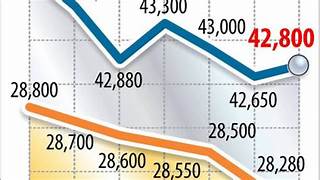
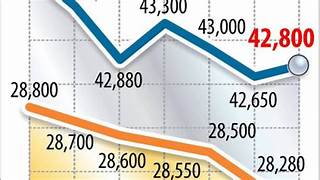
Gold declines The recent declines in gold and silver prices, with gold falling by 2% and silver by 5%, have raised significant concerns among investors. This sharp downturn can be attributed to several interlinked factors, primarily revolving around macroeconomic events, market sentiment, and technical factors. Here’s an in-depth analysis of the reasons behind this plunge:
1. Global Economic Uncertainty Gold declines
- Inflation Concerns: Persistent high inflation rates in major economies have led to fears of prolonged economic stagnation. Central banks, especially the Federal Reserve, have been aggressively raising interest rates to combat inflation. Higher interest rates increase the opportunity cost of holding non-yielding assets like gold and silver, making them less attractive to investors.
- Recession Fears: Widespread concerns about a looming recession have created a risk-off sentiment in the markets. Investors are moving away from commodities and into safer assets like government bonds and the US dollar, which traditionally serve as havens during economic turmoil.
Table of Contents
2. Strengthening US Dollar Gold declines
- The US dollar has seen a significant appreciation due to the Federal Reserve’s hawkish stance on interest rates. A stronger dollar makes commodities priced in dollars more expensive for foreign buyers, reducing demand for gold and silver.
- Additionally, as the dollar strengthens, the relative value of gold and silver, which are often viewed as alternatives to currency, diminishes. This inverse relationship between the dollar and precious metals is a key driver of the recent price declines.
3. Equity Market Volatility Gold declines
- The recent market crash has led to a significant sell-off in equities, which has spilled over into the commodities market. Investors are liquidating their holdings in precious metals to cover losses and meet margin calls in the equity markets.
- The correlation between equity market performance and precious metals is complex, but during periods of high volatility, the need for liquidity can drive down prices of typically safe-haven assets like gold and silver.
4. Geopolitical Factors Gold declines
- Geopolitical tensions, such as the ongoing conflict in Ukraine and strained US-China relations, have contributed to market instability. While these factors typically drive up gold prices due to its safe-haven appeal, the current economic backdrop and strong dollar are overshadowing these influences.
- The geopolitical landscape has also led to supply chain disruptions, affecting the mining and distribution of precious metals. However, the market’s immediate reaction has been more influenced by macroeconomic policies and currency fluctuations.
5. Technical Market Factors Gold declines
- Speculative Trading: The commodities market is heavily influenced by speculative trading. Recent bearish sentiment has led to increased short positions in gold and silver, driving prices down further.
- Market Liquidity: Lower liquidity in the market can exacerbate price movements. As prices started to decline, a lack of buyers led to a sharper fall, creating a feedback loop of selling pressure.
6. Investor Sentiment Gold declines
- Risk Aversion: Investor sentiment has shifted towards risk aversion, with many preferring cash or cash-equivalents over commodities. This shift is partly due to the uncertain economic outlook and the high volatility in the markets.
- Hedge Funds and Institutional Investors: Large institutional investors and hedge funds, which hold significant positions in commodities, have been adjusting their portfolios in response to the changing economic landscape. Their moves can have outsized impacts on market prices.
7. Industrial Demand Gold declines
- For silver, in particular, industrial demand plays a crucial role. The slowdown in manufacturing and industrial activity globally, particularly in China, has reduced the demand for silver. This decline in industrial use has compounded the impact of broader market trends.
8. Central Bank Policies Gold declines
- Quantitative Tightening: Central banks’ moves towards quantitative tightening (QT) reduce the amount of money circulating in the economy, leading to lower liquidity in all markets, including commodities.
- Interest Rate Hikes: As mentioned earlier, higher interest rates make holding non-yielding assets like gold and silver less attractive. The anticipation of further rate hikes has kept downward pressure on these metals.
Conclusion Gold declines
The recent plunge in gold and silver prices can be attributed to a confluence of macroeconomic factors, including global economic uncertainty, a strengthening US dollar, equity market volatility, geopolitical tensions, and technical market factors. Investor sentiment has shifted towards risk aversion, favoring cash and cash-equivalents over commodities. Additionally, lower industrial demand for silver and central banks’ tightening policies have further exacerbated the decline.
While gold and silver have historically been viewed as safe-haven assets, their performance is heavily influenced by the broader economic context. The current environment, characterized by high inflation, aggressive interest rate hikes, and a strong dollar, has undermined their appeal. Investors will need to closely monitor these factors to navigate the ongoing volatility in the precious metals market.


