


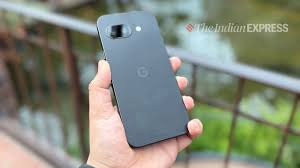
Google Hits Out at Apple with the ‘Affordable’ Pixel 9a, Undercutting the Price of the iPhone 16e
In an era where competition in the smartphone market is fiercer than ever, Google has made a bold move with the launch of its latest budget-friendly offering, the Pixel 9a. This new device from Google aims to shake up the budget smartphone segment by providing a feature-packed experience at a significantly lower price point compared to Apple’s more affordable option, the iPhone 16e. With both companies vying for the attention of consumers looking for high-performance devices without the high price tag, the Pixel 9a is a strategic move by Google to increase its foothold in the market and compete head-on with Apple’s dominance in the smartphone world.
The Pixel 9a: Google’s Affordable Masterstroke
The Pixel 9a is Google’s response to the growing demand for a budget smartphone that doesn’t compromise on performance, quality, or features. Building on the success of its predecessor, the Pixel 8a, Google has refined its approach to making a device that packs a punch while keeping the price in check. The Pixel 9a is a direct competitor to Apple’s iPhone 16e, which has been touted as Apple’s most affordable iPhone model yet.
Google’s focus with the Pixel 9a is to deliver premium features typically found in higher-end devices, such as a powerful camera system, smooth performance, and excellent software integration, at a much more accessible price. This is especially significant in a market where smartphones are often priced above the $800 mark, and consumers are increasingly looking for more value-driven alternatives. With the Pixel 9a, Google has clearly aimed to cater to consumers who want the best of both worlds: premium experience at an affordable price.
Pixel 9a vs. iPhone 16e: The Price Battle
One of the most striking aspects of the Pixel 9a is its pricing. Priced significantly lower than the iPhone 16e, the Pixel 9a undercuts Apple’s strategy for its budget lineup. The iPhone 16e starts at $599 for the base variant, making it one of the more affordable iPhones available. However, the Pixel 9a is priced at $499, offering consumers a $100 saving while still providing a highly competitive set of features. This pricing is a strategic move by Google to not only attract budget-conscious buyers but also to push Apple to reconsider its pricing strategy for entry-level smartphones.
In the budget smartphone market, price is often one of the most critical factors that sway consumers’ decisions. While Apple has typically been seen as a premium brand, it has increasingly moved toward the affordable sector with models like the iPhone SE and now the iPhone 16e. The Pixel 9a, however, presents a formidable challenge in terms of value for money, especially when considering its price-to-performance ratio.
Design and Display: A Premium Look for Less
In terms of design, Google has always been known for offering sleek, minimalist aesthetics, and the Pixel 9a continues this tradition. The device features a 6.1-inch OLED display, offering sharp, vibrant colors and deep blacks that are ideal for media consumption. While not as high-end as the displays found on flagship devices, the Pixel 9a’s display offers an immersive viewing experience, making it ideal for video streaming and gaming at a much lower price.
Apple’s iPhone 16e, on the other hand, comes with a 6.2-inch LCD display that offers good color reproduction but doesn’t quite match the vibrant punch of an OLED panel. The iPhone 16e also comes with a slightly lower resolution compared to the Pixel 9a, which gives the latter an edge when it comes to screen sharpness and brightness.
While both devices are designed with minimalism in mind, the Pixel 9a offers a matte plastic finish that feels premium yet is lightweight. Apple’s iPhone 16e, on the other hand, retains the glass and aluminum design language found in its higher-end devices, which gives it a more premium feel but also makes it more prone to fingerprints and scratches. Both phones are highly durable, but the Pixel 9a’s plastic construction makes it more resistant to damage in the event of a fall.
Camera: Google’s Secret Weapon
When it comes to the camera, Google’s Pixel phones have long been known for offering exceptional photography, and the Pixel 9a is no exception. The Pixel 9a features a 12.2 MP main camera and an 8 MP ultra-wide lens, both of which are powered by Google’s advanced computational photography software. The combination of excellent hardware and sophisticated software processing allows the Pixel 9a to produce stunning images, particularly in low-light conditions, where the device excels due to Google’s Night Sight mode.
The iPhone 16e, in comparison, sports a 12 MP main camera and a 7 MP front-facing camera. While the iPhone 16e’s camera system is no slouch and offers true-to-life color reproduction and reliable autofocus, it doesn’t quite match the raw photographic prowess of Google’s Pixel 9a when it comes to dynamic range, low-light photography, and post-processing enhancements. The Pixel 9a’s software-based features, like HDR+ and Google Lens, give it a clear edge for users who prioritize photography.
Apple has made strides in its camera technology, but Google’s computational photography remains a benchmark for smartphones in the budget and mid-range market.
Performance: Powered by Google’s Own Chips
Under the hood, the Pixel 9a is powered by Google’s Tensor G2 chip, which is the same chip used in the flagship Pixel 9 Pro. This chip allows the Pixel 9a to perform well in both day-to-day tasks and intensive activities like gaming and multitasking. Paired with 6GB of RAM and 128GB of internal storage, the Pixel 9a offers a smooth user experience without noticeable slowdowns, even when running multiple apps or playing graphic-intensive games.
In comparison, the iPhone 16e is powered by Apple’s A15 Bionic chip, which is known for its raw power and efficiency. The A15 Bionic chip is a formidable processor, but given that the Pixel 9a is priced at $499, the Tensor G2 offers exceptional value, especially considering its AI-driven capabilities that enhance user experience, from smart camera features to improved speech recognition.
Both phones offer fast and responsive performance, but Google’s chip and integrated software offer more AI-powered enhancements, whereas Apple’s A15 Bionic chip delivers raw processing power and efficiency.
Software Experience: The Google Edge
Google’s Pixel 9a is equipped with Android 14 with a clean, stock-like interface that ensures smooth performance and quick software updates directly from Google. The Pixel 9a is one of the first devices to receive new Android updates, and Google’s integration of AI-based features, such as the Google Assistant, makes the user experience incredibly intuitive. The software is streamlined and designed for users who prefer an uncluttered, fast experience.
On the other hand, the iPhone 16e runs iOS 17, Apple’s latest operating system, which offers seamless integration across the Apple ecosystem. iOS is known for its security, ease of use, and polished experience. However, some users prefer the open nature and customization options that Android provides.
Both devices offer excellent software, but the choice comes down to personal preference. The Pixel 9a’s Android experience is more customizable, whereas the iPhone 16e provides a more streamlined and cohesive ecosystem, especially for users who are already invested in Apple products.
Battery Life and Charging
The Pixel 9a comes with a 4,500 mAh battery, which is more than sufficient to get through a full day of usage, even with moderate to heavy use. Google has optimized the phone’s software to reduce power consumption, ensuring long-lasting performance. It supports 18W fast charging, allowing users to quickly charge the device when needed.
Apple’s iPhone 16e, with its 4,300 mAh battery, offers a similar battery life and supports 20W fast charging. Both devices come with wireless charging capabilities, but the Pixel 9a stands out with its more affordable price tag and longer-lasting battery optimization in real-world usage.
Conclusion: A Game-Changer in the Budget Smartphone Market
Google’s Pixel 9a is a strategic move that directly challenges Apple’s iPhone 16e in the budget smartphone market. By offering competitive features such as a better display, superior camera performance, Google’s powerful Tensor chip, and a more affordable price, the Pixel 9a provides exceptional value for consumers looking for a budget-friendly smartphone without sacrificing quality.
While the iPhone 16e remains a solid option for Apple enthusiasts, the Pixel 9a’s price-to-performance ratio gives it a clear edge, especially for those seeking a well-rounded experience at a lower cost. As the competition in the smartphone market intensifies, the Pixel 9a sets the stage for a new era of affordable yet feature-rich smartphones, forcing both Google and Apple to raise the bar for what consumers can expect from their next device.


