


Plans Sans Action: Heatwaves Bake Unprepared India
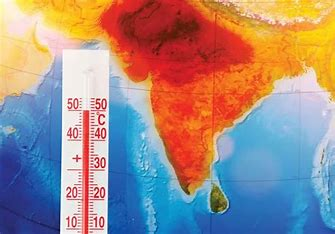
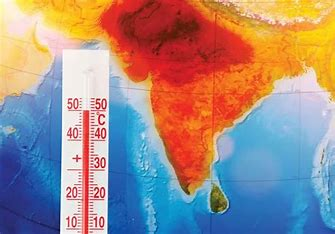
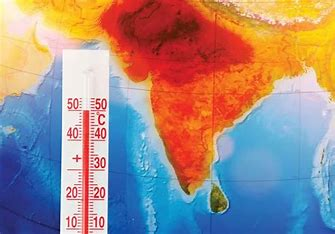
India, a vast subcontinent that stretches across the tropics, is no stranger to heatwaves. Each year, millions of people endure the intense summer temperatures that often spike above 45°C (113°F) in several parts of the country. However, what is becoming increasingly alarming is not just the heat itself, but the persistent lack of concrete and effective action to mitigate its impact. With climate change driving temperature extremes to new heights, India is confronting heatwaves of unprecedented severity, and the nation remains alarmingly underprepared. The failure to adapt and implement comprehensive climate resilience plans has placed millions at risk.
The Unrelenting Heat: A Growing Crisis
Heatwaves are not new to India. Historically, high temperatures during the pre-monsoon months of March to June were a regular occurrence, particularly in the central and northwestern regions. However, the past decade has seen a sharp increase in the frequency and intensity of these extreme heat events. In 2022, India experienced one of its hottest summers, with temperatures soaring to 49°C (120°F) in several states, causing widespread distress. The year 2023 wasn’t any different, and experts predict that this upward trend will continue as global temperatures rise.
Heatwaves bring with them severe health consequences. Prolonged exposure to extreme heat can lead to heat strokes, dehydration, and other heat-related illnesses, disproportionately affecting vulnerable populations like children, the elderly, and the poor. A study by the Indian Institute of Tropical Meteorology estimated that heatwaves kill thousands of people in India each year, but the true number of casualties remains unknown due to poor tracking and underreporting.
The Scale of the Problem: Unpreparedness and Inaction
Despite the growing threat, India’s preparedness for these extreme weather events remains woefully inadequate. The government has enacted various climate adaptation strategies and heat action plans at the state and national levels. However, these initiatives often lack the depth and urgency needed to address the scale of the problem. Several factors contribute to this inaction.
- Lack of Coordination Between Authorities: While many states have developed heat action plans, there is often a lack of coordination between national and state-level authorities. Different regions of India experience different climatic conditions and may require tailored solutions. The lack of a unified national approach results in fragmented, piecemeal responses to the crisis.
- Infrastructure Deficiencies: India’s urban areas are growing at a rapid pace, but infrastructure planning has not kept up with the challenges posed by extreme heat. The urban heat island effect—where cities are significantly hotter than surrounding rural areas due to human activities and concrete surfaces—intensifies the impact of heatwaves. The country’s inadequate urban planning, absence of cooling mechanisms in buildings, and poor waste management practices exacerbate the effects of high temperatures. Many informal settlements, where millions of people live in substandard conditions, are particularly vulnerable.
- Insufficient Climate Resilience Measures: The Indian government has launched initiatives like the National Action Plan on Climate Change (NAPCC) and the State Action Plans on Climate Change (SAPCC), which include heatwave management and mitigation strategies. However, the actual implementation on the ground remains weak. These plans are often overly ambitious, underfunded, or simply lack enforcement mechanisms. As a result, they fail to deliver the necessary results to safeguard citizens against extreme heat.
- Delayed Early Warning Systems: Heatwaves can be predicted with reasonable accuracy, but the implementation of early warning systems in India remains inconsistent. While meteorological departments issue warnings, these are often not adequately communicated to at-risk populations or local authorities, reducing the effectiveness of these alerts. Moreover, the absence of robust communication systems means that communities in rural areas, who are most vulnerable, often do not receive the critical information needed to protect themselves.
- Lack of Public Awareness and Education: There is still a significant knowledge gap regarding the dangers of extreme heat in many parts of India. Public awareness campaigns on how to stay cool, the importance of hydration, and the signs of heat-related illnesses are often limited. This lack of awareness leads to preventable deaths and a slow response to heatwave conditions, especially in rural or marginalized communities where access to health services is limited.
- Disproportionate Impact on the Poor: One of the most tragic realities of heatwaves in India is that they disproportionately affect the poor and vulnerable communities. Rural farmers, migrant workers, and people living in informal settlements are often the worst hit. Many of these people have no access to cooling methods, and their work requires them to be outdoors during the hottest part of the day. Furthermore, without social safety nets or sufficient healthcare access, they have few means of escaping the worst effects of the heat.
Impacts on Agriculture and the Economy
The agricultural sector is a critical component of India’s economy, but it is particularly vulnerable to the increasing frequency of heatwaves. Crops such as wheat, rice, and pulses are highly sensitive to temperature fluctuations, and extreme heat can lead to crop failures, reduced yields, and loss of livelihoods for millions of farmers. In 2019, a study by the World Bank estimated that heatwaves could lead to a loss of $23 billion in annual GDP by 2050 if no action is taken to address the rising temperatures.
Heatwaves also have an impact on the labor market. Migrant workers, who often work in construction, agriculture, and other outdoor industries, are at risk of heat-induced illnesses and death. This, in turn, places a strain on India’s informal economy and the social infrastructure that is already overstretched.
Moving Forward: The Urgency of Action
The time to act is now. The increasing severity of heatwaves, combined with the risks posed by climate change, demands immediate and decisive action. There are several steps India can take to better prepare for and mitigate the impacts of extreme heat:
- Strengthening Early Warning Systems: India needs to enhance its heatwave early warning systems and ensure that these warnings are effectively communicated to at-risk populations. Technology, such as mobile apps and social media platforms, can be used to reach a wider audience.
- Improving Infrastructure and Urban Planning: Cities must adopt heat-resilient designs, including better cooling techniques, green spaces, reflective surfaces, and energy-efficient buildings. These solutions can significantly reduce the urban heat island effect and lower temperatures in dense urban areas.
- Climate-Resilient Agriculture: Farmers must be provided with access to climate-resilient crops, better irrigation techniques, and financial support to adapt to the changing climate. Training programs on heat-resistant farming practices and crop diversification can help reduce the vulnerability of rural communities.
- Strengthening Public Health Systems: Expanding healthcare services and ensuring that there are sufficient cooling centers for vulnerable populations during heatwaves would save lives. Investment in healthcare infrastructure and access to resources like drinking water and electrolytes is essential.
- Public Awareness Campaigns: Increasing public awareness on how to protect oneself during a heatwave, recognizing the signs of heat stroke, and promoting behavioral changes like staying indoors during peak heat can make a significant difference in reducing the impact of heatwaves.
- Climate Justice: Addressing the disproportionate impact on poor and marginalized communities should be central to India’s climate policies. Providing social safety nets, access to healthcare, and better living conditions for vulnerable populations is critical.
Conclusion: A Race Against Time
India’s heatwave crisis is a wake-up call. Climate change is not a distant threat—it is a present reality, and its effects are already being felt. While plans exist on paper, the real challenge lies in translating these plans into meaningful action. If the country continues on its current path of inaction and underpreparedness, the future will be much hotter, and the consequences far more devastating. Immediate and bold actions are required to protect India’s people, economy, and ecosystems from the intensifying heatwaves. Time is running out, and every day of delay brings greater harm. The question is: will India rise to the challenge before it’s too late?


