


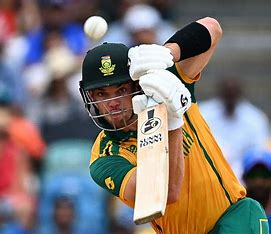
In the world of cricket, team selection and batting order are critical decisions that can heavily influence the outcome of a match. South Africa’s decision to have Tristan Stubbs open the batting against England in their encounter during the Champions Trophy 2025 was a notable move that raised questions among fans, analysts, and experts alike. The change was not just a tactical switch; it was a statement about South Africa’s approach to the game and their evolving strategy in the modern era of aggressive and dynamic cricket.
Tristan Stubbs, a young and explosive talent, has gained attention in recent years due to his ability to turn games around with his powerful batting. Known for his aggressive stroke play and ability to take on the best bowlers in world cricket, Stubbs has carved out a reputation as a destructive lower-order hitter. However, the decision to have him open the batting against a strong England side was a bold and unusual one. To understand why South Africa chose this route, we need to delve into several factors, including the tactical motivations behind this move, the strengths and weaknesses of both teams, and the evolving nature of modern cricket.
The Evolution of Cricket: A Shift Toward Aggression
In modern cricket, particularly in the limited-overs format, the role of the opening batsman has undergone a transformation. Traditionally, openers were expected to provide a solid foundation, playing with patience and ensuring the team got off to a steady start. However, as the game has evolved, there has been a significant shift toward more aggressive batting styles, with openers expected to attack from the outset, even in the first few overs.
This change has been driven by the increasing emphasis on power-hitting, fast scoring, and taking advantage of fielding restrictions. The first 10 overs of an innings, particularly in one-day internationals (ODIs), provide teams with a chance to attack the opposition, thanks to the powerplay rules that allow only two fielders outside the 30-yard circle. In this environment, teams are increasingly selecting openers who can take on the bowlers and set the tone for the innings, rather than simply rotating strike and surviving.
South Africa’s decision to send Stubbs to the top of the order was, therefore, in line with this modern philosophy. The Proteas, recognizing the importance of scoring quickly and capitalizing on the fielding restrictions in the early overs, opted for a player who could provide them with a dynamic start. Stubbs, known for his fearless approach to batting, was seen as the ideal candidate for this role.
The Need for a Fast Start Against England
England, as one of the top teams in world cricket, is known for its aggressive brand of cricket, particularly in limited-overs formats. Under the leadership of Eoin Morgan and now Jos Buttler, England has built a reputation for explosive batting, with a lineup that can take apart any bowling attack. Against such a formidable opponent, South Africa’s strategy needed to be bold and proactive.
The Proteas were not content with simply taking a cautious approach to their innings. They understood that to challenge England’s strong batting lineup, they would need to set a significant total or chase down any target quickly. This is where Stubbs’ role as an opener came into play. South Africa needed someone who could take on England’s bowlers from the outset, potentially putting pressure on them and getting ahead of the game early.
England’s bowlers, including the likes of Jofra Archer and Mark Wood, are known for their pace and aggression. While they can be devastating, they can also be vulnerable if their lines and lengths are disrupted early on. By sending a player like Stubbs to the top of the order, South Africa aimed to unsettle England’s bowlers and create an environment where the pressure was on them, rather than on the South African batsmen.
Tristan Stubbs: A Perfect Fit for the Role
Tristan Stubbs has long been considered a talent with the ability to take the game away from the opposition in a matter of overs. His aggressive batting style, coupled with a fearless attitude, made him a prime candidate for this high-pressure role. Stubbs’ natural game revolves around attacking the bowling, which is exactly what South Africa needed at the start of their innings.
Despite his relatively young age and limited experience in international cricket, Stubbs has shown that he can adapt quickly to the demands of high-level cricket. His ability to hit the ball cleanly and powerfully, combined with his comfort against both pace and spin, made him a strong contender to open the batting. His performances in domestic and T20 leagues, particularly in the South African domestic competitions and in the IPL, had already showcased his potential as a game-changing player.
Opening the batting is a challenging task, particularly in the early overs when the ball swings and seams, but Stubbs’ ability to play a wide range of shots made him a versatile option for the role. He could play both conventional strokes and innovate with aggressive, boundary-hitting shots, providing South Africa with the opportunity to set the tone for the match.
Additionally, Stubbs’ temperament played a crucial role in the decision. Although he is a young player, his maturity at the crease has often been praised by coaches and analysts. He knows when to take risks and when to play with caution, a quality that is vital for any opener in modern limited-overs cricket. This flexibility in his approach made him a perfect fit for a role that requires a balance of aggression and control.
Tactical Nuances: Exploiting the Powerplay
The first 10 overs in an ODI match are considered crucial due to the fielding restrictions in place during the powerplay. With only two fielders allowed outside the 30-yard circle, this is a period when batsmen can take full advantage of the gaps in the field and aim for boundaries. A team that can capitalize on the powerplay can often build a solid foundation for the rest of the innings.
South Africa’s decision to send Stubbs to open the batting was likely a tactical move designed to make the most of this powerplay period. With Stubbs’ aggressive style, he could attempt to hit boundaries and rotate the strike, putting pressure on England’s bowlers and ensuring that South Africa didn’t waste the early overs. His ability to accelerate the scoring in the first 10 overs could give the team the momentum they needed to keep up with England’s aggressive batting approach.
The move also had a psychological element. Sending an aggressive player like Stubbs to open the innings signaled to both the England team and the South African squad that the Proteas were intent on taking the game to their opponents. It was a statement that South Africa was not just going to sit back and react to England’s attack but would take the initiative in the opening phase of the game.
The Impact of Conditions and the Match Situation
Another key factor in South Africa’s decision was the conditions of the pitch and the match situation. If the pitch at the venue offered any assistance to the bowlers, particularly with early movement or bounce, opening with a dynamic player like Stubbs could prove beneficial. While many openers rely on settling in during the first few overs, a player with Stubbs’ abilities could take the attack to the bowlers from the outset, possibly counteracting any early movement.
Furthermore, the specific match context and South Africa’s position in the tournament could have played a role in this decision. In a high-stakes game, such as one in a tournament like the Champions Trophy, South Africa needed to go for the win and could not afford to take a conservative approach. The need for a high run rate, particularly against a strong England team, meant that they had to be bold in their approach, and placing Stubbs at the top of the order reflected this mindset.
Conclusion: A Bold Move with Potential Rewards
South Africa’s decision to have Tristan Stubbs open the batting against England in the 2025 Champions Trophy was a bold and calculated move. It reflected a strategic shift in the way cricket is being played in the modern era, where aggressive batting and power-hitting are becoming the norm, even for openers. By sending Stubbs to the top of the order, South Africa was looking to exploit the powerplay period, unsettle the English bowlers, and provide a quick start that could set the tone for the rest of the innings.
While this decision may have raised eyebrows due to Stubbs’ relative inexperience at the top of the order, it was a move that made sense in the context of his strengths as a player and the team’s strategic goals. With his attacking mindset and ability to take on the best bowlers, Stubbs was an ideal candidate to open the batting, particularly against an aggressive team like England. Only time will tell whether this bold move will pay off, but it certainly showcased South Africa’s willingness to innovate and adapt in the fast-paced world of modern cricket.


