


Celebrating the Career of Sir Andy Murray
Early Life and Rise to Prominence
Born on May 15, 1987, in Glasgow, Scotland, Sir Andy Murray’s journey to becoming one of tennis’s greats began at a young age. Encouraged by his mother, Judy Murray, herself a tennis coach, Andy and his brother Jamie developed their skills on local courts. Andy’s early talent was evident, and he moved to Barcelona at 15 to train at the Sánchez-Casal Academy, a decision that would prove pivotal for his development.
Murray’s junior career culminated in winning the US Open Junior title in 2004, a harbinger of his future success. He transitioned to the professional circuit with remarkable speed, making his ATP debut in 2005 and soon earning a reputation for his tenacity and skill.
Table of Contents
Breaking into the Elite
Murray’s early professional years were marked by rapid ascent. In 2006, he claimed his first ATP title in San Jose, defeating Lleyton Hewitt in the final. His rivalry with contemporaries like Novak Djokovic, Rafael Nadal, and Roger Federer began to take shape, with Murray often seen as the underdog. Yet, his consistent performances and victories over top players indicated his potential to join the sport’s elite.
2008 saw Murray reach his first Grand Slam final at the US Open, where he faced Federer. Despite losing, his run to the final, which included a victory over Nadal, signaled his arrival on the big stage. The following year, he became the first British player since 1977 to win the Queen’s Club Championships and reached the Wimbledon semifinals, solidifying his status as a top contender.
Grand Slam Glory and Olympic Triumph
Murray’s persistence paid off in 2012 when he made history by winning the Olympic gold medal in singles at the London Games, defeating Federer in a stunning final on Wimbledon’s Centre Court. This victory was a turning point, instilling the belief that he could win on the grandest stages.
Later that year, Murray captured his first Grand Slam title at the US Open, overcoming Djokovic in a grueling five-set match. This victory was monumental,
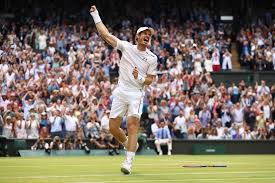
Andy Murray ending Britain’s 76-year wait for a male Grand Slam champion. In 2013, Murray etched his name in history by winning Wimbledon, becoming the first British man to do so since Fred Perry in 1936. His emotional victory over Djokovic was a defining moment in his career and British sports history.
Continued Success and Challenges
Murray continued to excel, winning his second Wimbledon title in 2016 and adding another Olympic gold to his collection by defeating Juan Martín del Potro in Rio. That year, he also claimed the ATP World Tour Finals, finishing the season as the world No. 1, a testament to his dominance and consistency.
However, Murray’s career was not without challenges. He faced
Andy Murray significant obstacles with injuries, particularly to his hip, which threatened to derail his career. Despite undergoing multiple surgeries, Murray’s determination never waned. His emotional announcement in 2019 about his potential retirement due to persistent pain was met with widespread support and admiration for his resilience.
Remarkable Comeback
Defying expectations, Murray made a remarkable comeback to professional tennis. In 2019, he won the European Open in Antwerp, his first title since returning from hip surgery. This victory was not just a testament to his physical recovery but also to his unwavering spirit and love for the game.
Murray’s journey inspired many, showcasing the importance of perseverance and the refusal to give up in the face of adversity. His ability to compete at the highest level despite his physical challenges earned him respect and admiration from peers and fans alike.
Legacy and Impact
Sir Andy Murray’s impact on tennis extends beyond his on-court achievements. He has been a vocal advocate for gender equality in sports, often highlighting the achievements of female athletes and advocating for equal pay. His
Andy Murray appointment of Amélie Mauresmo as his coach in 2014 was a groundbreaking decision that challenged traditional gender roles in tennis coaching.
Murray’s sportsmanship and humility have made him a beloved figure in the tennis world. His candidness about mental health struggles and the pressures of professional sports has also contributed to a broader conversation about athlete well-being.
Off the Court
Off the court, Murray has been dedicated to philanthropic efforts, supporting various charities and causes. His involvement in the fight against malaria and his support for children’s hospitals and other health initiatives reflect his commitment to giving back to the community.
In recognition of his contributions to tennis and his charitable efforts, Murray was knighted in 2016, becoming Sir Andy Murray. This honor was a fitting tribute to his remarkable career and his positive impact on and off the court.
Conclusion
Sir Andy Murray’s career is a testament to talent, hard work, and resilience. From his early days in Scotland to his rise to the top of the tennis world, Murray has inspired countless individuals with his dedication and perseverance. His Grand Slam victories, Olympic gold medals, and status as world No. 1 are testaments to his skill and determination.
Beyond his achievements, Murray’s advocacy for gender equality, mental health awareness, and philanthropy have left a lasting legacy. As he continues to compete and inspire, Sir Andy Murray’s story remains a powerful example of what can be achieved through passion, resilience, and a commitment to excellence.
Murray’s legacy will undoubtedly continue to influence future generations of athletes, both in tennis and beyond. His career serves as a reminder that greatness is not only defined by victories but also by the character, integrity, and positive impact one has on the world.


